 |
 |
 |
 |
 |
 |
 |
 |
 |
|||
 |
 |
|
|||||||
 |
|||||||
 |
|||||||
 |
|||||||
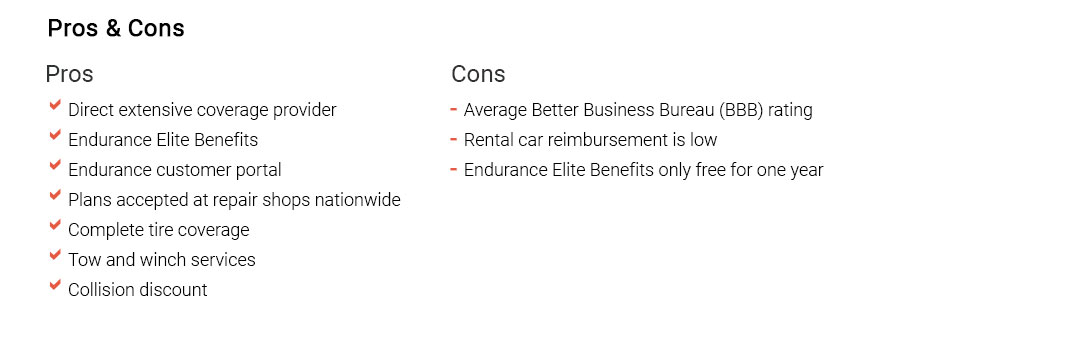 |
|||||||
|
|||||||
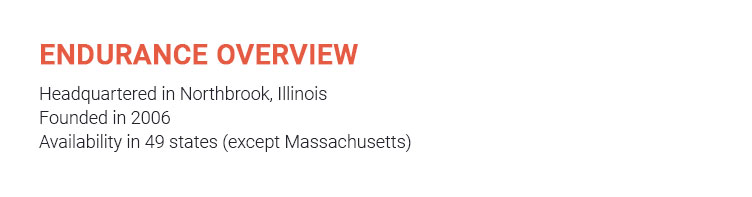





|
||||||
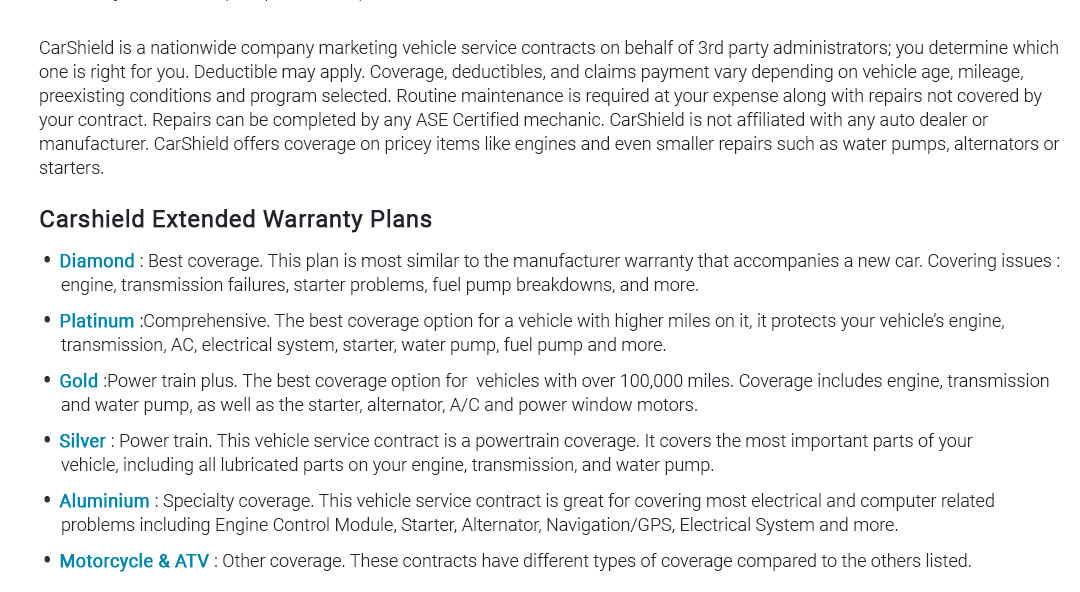 |
||||||
 |
||||||
 |
||||||
|





 |
 |
 |
 |
 |
 |
 |
auto liability coverage explained from the fieldWhat it actually doesI evaluate policies after collisions, not in brochures. Auto liability pays for others' losses when you're legally responsible. It protects your assets and future earnings by stepping between your mistake and someone else's bill. Simple - well, almost.
How it performs on claim dayOne evening on a rain-slick arterial, a sedan slid into a pickup, which nudged a cyclist. I stood near the curb watching EMS triage while the insured kept repeating, "I have full coverage." Liability responded; "full" didn't mean infinite. Performance is about sequence and sufficiency.
Defense costs and the "duty to defend"I often say the insurer will defend you. Correction: it will defend covered claims. A clear exclusion or no coverage at the time of loss can mean a denial or a reservation of rights while facts develop. Read the letters; the nuance is where expectations live. Limits: split vs. combined
Quick stress test you can actually do
Common gaps and frictions
What to scan on your declarations page
Choosing an amount (framework, not a script)State minimums perform poorly in multi-injury crashes. Many households treat 250/500/100 or a $500k CSL as a baseline and then evaluate an umbrella. Not because catastrophe is likely, but because its price-per-dollar of protection performs well compared to the tail risk. Expectations before the sirens
A small, useful contradictionI tell clients to "buy enough." Then I amend it: buy enough for how your life is arranged right now and re-check after changes - new teen driver, side gig, or moving to denser traffic. Coverage doesn't underperform; we under-spec it, and only notice in the rain. If you experiment with options, do it with numbers: price two higher limit sets and note the marginal cost. If the delta is smaller than a tow bill, you've learned something actionable.
Main Topic:
Warranty Coverage
https://www.nationwide.com/lc/resources/auto-insurance/articles/liability-coverage-definition
Auto liability insurance coverage helps cover the costs of the other driver's property and bodily injuries if you're found at fault in an accident. https://www.bankrate.com/insurance/car/auto-liability/
Auto liability insurance covers the costs related to other parties' damage and injuries when you're found at fault in a car accident. https://www.tdi.texas.gov/pubs/consumer/cb020.html
There are eight basic auto insurance coverages. You can choose whether to buy the others. Liability coverage pays to repair the other driver's ...
|
